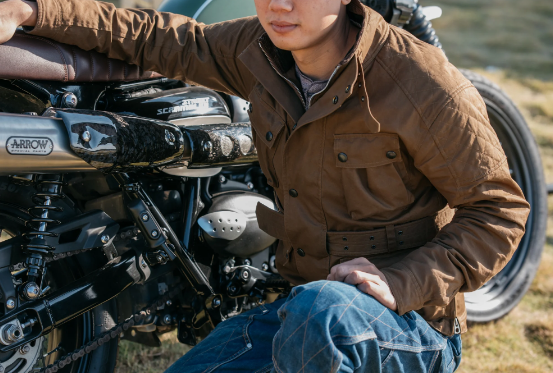
Motorcycle safety is a topic that attracts considerable discussion around training, road conditions, and vehicle visibility — yet the role of proper gear in determining injury outcomes deserves equal attention. The equipment a rider wears functions as a personal safety system that operates independently of traffic conditions, road quality, or other drivers’ behavior. No matter how skilled or cautious a rider may be, proper gear provides the layer of protection that makes the difference between a serious injury and a manageable one when accidents do occur.
The Physics of Impact and How Gear Manages It
Understanding how gear improves safety begins with understanding the forces involved in motorcycle accidents. When a rider and motorcycle separate, the rider becomes a projectile subject to deceleration forces, surface contact, and potentially multiple impacts. Helmets manage head impact energy through a combination of outer shell distribution and inner foam compression that slows deceleration to a rate the brain can survive. Abrasion-resistant apparel reduces tissue damage during a slide by maintaining friction with the outer garment rather than the skin.
How Gear Supports Rider Alertness and Comfort
Safety gear contributes to rider performance not just during accidents but throughout every ride by maintaining the comfort and attentiveness needed for safe decision-making. A properly ventilated helmet reduces heat fatigue on warm days. Waterproof riding gear keeps a rider dry and alert during rain rather than distracted by discomfort. Thermal layers prevent the muscle tension and reduced dexterity that cold weather causes when riders go out underdressed.
Selecting Gear That Matches the Risk Profile of Each Ride
Different riding environments present different risk profiles, and gear selection should reflect these differences thoughtfully. High-speed highway riding demands maximum impact protection from a full-face helmet and full-coverage riding apparel. Urban commuting prioritizes visibility and abrasion protection in a format practical for on-foot movement at the destination. Off-road riding requires flexibility, ventilation, and protection against the specific impacts of trail terrain. Sourcing motorcycle racing gear at specialist retailers gives riders access to purpose-built options across all of these categories.
The Compound Effect of a Complete Protective Kit
Individual pieces of gear protect specific areas of the body, but their protective value compounds when worn as a complete system. A rider wearing a full-face helmet, armored jacket, riding gloves, protective pants, and motorcycle boots creates overlapping layers of coverage that address virtually every body region likely to sustain injury in a crash. Each piece reinforces the coverage of the others, and the gaps left by wearing only some items create predictable and preventable injury sites.
Maintaining Gear Performance Through Regular Care
The safety contribution of motorcycle gear depends on maintaining it in the condition required for it to perform as designed. Helmets should be stored away from UV exposure and temperature extremes that degrade the foam liner. Textile garments should be cleaned according to manufacturer instructions that preserve the integrity of protective coatings and fibers. Armor inserts should be inspected regularly for cracking or deformation. Leather should be conditioned to prevent drying and cracking that compromises both abrasion resistance and structural integrity.
Conclusion
Proper motorcycle gear improves rider safety through the physics of impact management, the maintenance of alertness and comfort, and the comprehensive coverage that a complete protective kit provides. Selecting gear appropriate to the riding context, maintaining it well, and wearing it consistently on every ride creates a personal safety system that significantly improves outcomes when the unexpected happens. Proper gear does not prevent accidents, it determines how survivable they are.









Post Comment