
new zealand national cricket team vs sri lanka national cricket team timeline
The Rivalry Unfolds: Context and Build-Up
Historical Rivalry
The cricketing rivalry between New Zealand and Sri Lanka has been one of the most fascinating in international cricket. While both teams have had their share of highs and lows, their encounters have often been a mix of excitement, unpredictability, and hard-fought contests. This rivalry has played out across various formats Tests, One Day Internationals (ODIs), and T20s each time producing memorable moments.
One of the most iconic encounters in the history of their rivalry occurred in the 1996 Cricket World Cup when Sri Lanka, led by captain Aravinda de Silva, clinched a dramatic win over New Zealand in the semifinals. The result not only secured Sri Lanka’s place in the final but also set the tone for their rise as one of the emerging powers in world cricket.
In more recent times, both teams have been competitive in the shorter formats, especially in ODIs and T20s. The 2015 ICC Cricket World Cup quarterfinals were another significant milestone, where New Zealand outclassed Sri Lanka in a one-sided contest to advance to the semifinals. The match ended with New Zealand chasing down Sri Lanka’s total with ease, highlighting the ongoing power shift between these two nations.
The rivalry is characterized by a blend of contrasting styles. While New Zealand’s disciplined, tactical approach to cricket often contrasts with Sri Lanka’s flair and unpredictability, both teams have demonstrated resilience in major tournaments, producing some of the most thrilling cricketing moments on the global stage.
Recent Form
Heading into this match, both teams had been in somewhat contrasting forms. New Zealand, under the leadership of Kane Williamson, had maintained a steady run in international cricket, bolstered by their dynamic top order batsmen and consistent bowling attack. Their performances in recent series and tournaments showed they were among the top contenders in international cricket, although a few losses had raised questions about their depth in the bowling department, especially in spin heavy conditions.
Sri Lanka, on the other hand, had been in the process of rebuilding their squad after a period of transition. With a fresh batch of young talent coming through, they had shown flashes of brilliance in recent series. However, inconsistency remained their primary hurdle, particularly in pressure situations where the top order batting had often struggled to set up a strong foundation.
In the lead-up to this particular match, both teams had recorded mixed results. New Zealand had fared reasonably well, securing wins in most of their recent encounters, but a few narrow losses in high-stakes matches had kept them from dominating. Sri Lanka, on the other hand, had been searching for their momentum, with sporadic wins but a sense that their rebuilding phase was starting to take shape. This match, therefore, was not just another game; it held the potential to shape the trajectory of both teams in the series.
Setting the Stage
This particular match carried immense importance for both New Zealand and Sri Lanka, each for different reasons. For New Zealand, a win would help them maintain their strong position in the series, consolidating their standing as one of the premier sides in the world. The team had momentum, but they also faced the pressure of consolidating their place in the top echelons of world cricket, especially with the upcoming major tournaments on the horizon.
For Sri Lanka, this match represented more than just a chance to win; it was a crucial step in their rebuilding journey. A win against New Zealand would not only boost their confidence but also reaffirm their resurgence in world cricket. It would send a message to their critics that they were back on track, with young stars ready to shoulder the responsibility of carrying the team forward. Additionally, this match held qualification implications for future tournaments, making it all the more significant. A defeat could have had a negative impact on their morale and left them with fewer opportunities to secure important wins in the upcoming fixtures.
As the match approached, both teams were aware that the outcome would impact their standings in the series. For New Zealand, a win would keep them on course for a potential series victory, while for Sri Lanka, a loss would be a tough setback in their journey to regain their former glory. The atmosphere was set for a thrilling contest that would offer both teams a chance to showcase their strengths and prove their mettle. The stakes were high, and both sides had everything to play for.
Toss and Early Decisions: A Crucial Choice
The Toss: Who Won and What Decision Was Made?
The toss, as always, played a crucial role in setting the tone for this match. With both teams eagerly waiting to see who would get the advantage first, the coin toss became more than just a formality it became a pivotal moment in the contest.
On this occasion, it was Sri Lanka who won the toss. In a decision that raised some eyebrows, they chose to field first, opting to bowl and chase down any target set by New Zealand. The decision immediately set the stage for a thrilling contest, as chasing a target in limited-overs cricket, especially in changing conditions, always comes with its own set of pressures.
Sri Lanka’s decision to field first showed confidence in their bowling attack and reflected a strategic understanding of the pitch conditions and weather forecast. They were likely banking on being able to restrict New Zealand early on and capitalize on any potential advantage that the evening conditions might bring.
Pitch and Weather Conditions: How Did They Play Into the Decision-Making Process?
The decision to field first was heavily influenced by the pitch conditions and the weather forecast, both of which played a vital role in shaping the game’s dynamics.
Pitch Conditions: The pitch, often a key element in limited-overs matches, was expected to offer something for both the bowlers and the batsmen. Early in the game, there was a slight promise of movement for the seamers, which might have encouraged Sri Lanka to bowl first. However, as the match progressed, the pitch was expected to flatten out, offering better batting conditions later in the game. Sri Lanka, knowing this, would have likely believed that restricting New Zealand early could be crucial, as batting conditions would become more favorable for the team chasing a target.
Weather Conditions: The weather forecast was also a factor in Sri Lanka’s decision. With overcast conditions predicted, there was a possibility of the ball swinging early, especially in the first few overs of the match. In these conditions, seamers could extract more movement, giving Sri Lanka’s pace bowlers the upper hand. The humidity and a potential threat of rain later in the match could have also been considered, as chasing a revised target under DLS (Duckworth-Lewis-Stern) method often becomes tricky, and setting a total may have been more challenging under such circumstances.
Strategic Implications: Analyzing the Advantages and Challenges
Sri Lanka’s decision to bowl first came with both advantages and challenges:
Advantages:
- Bowling Conditions: Given the overcast skies and the potential for early swing, Sri Lanka’s pace attack would have been keen to exploit the early conditions. The freshness of the pitch, coupled with the possibility of dew later on, would have played into the hands of their seamers and spinners.
- Pressure on the Opposition: Chasing in cricket is often more challenging than setting a target, especially under fluctuating conditions. By opting to field, Sri Lanka placed New Zealand in a position where they would have to set a competitive total in the face of challenging conditions, including possible swing and seam early in the innings.
- Adjusting to Weather: If the weather turned out to be a factor with potential rain interruptions, chasing a target could have been simpler with a reduced target under DLS. Sri Lanka’s ability to adjust their plans based on weather interruptions might have factored into their decision as well.
Challenges:
- Pressure of Early Breakthroughs: With the decision to bowl first, Sri Lanka would have needed early breakthroughs to prevent New Zealand from settling in. A solid partnership early on could have set a foundation for New Zealand to post a strong total, and putting pressure on the opposition’s top order would be essential to avoid any big partnerships later.
- Chasing under Pressure: If Sri Lanka did not manage to restrict New Zealand to a moderate total, they would have faced the pressure of chasing down a potentially challenging total. A high score set by New Zealand could have placed Sri Lanka under immense pressure, particularly with New Zealand’s proven ability to defend totals.
- Adaptability to Conditions: While bowling first offered an early advantage, Sri Lanka’s bowlers needed to remain adaptable, especially if conditions changed during the course of the game. The batting side would also need to assess the pitch as it progressed, as it was expected to become more batting friendly after the initial overs.
In the end, Sri Lanka’s decision to bowl first was a calculated risk that could have either paid off with early breakthroughs or left them chasing a bigger target under challenging circumstances. Ultimately, the match hinged on how well they utilized the conditions and whether they could break New Zealand’s resistance early.
Sri Lanka’s Innings: Building the Total
Opening the Batting: Setting the Tone
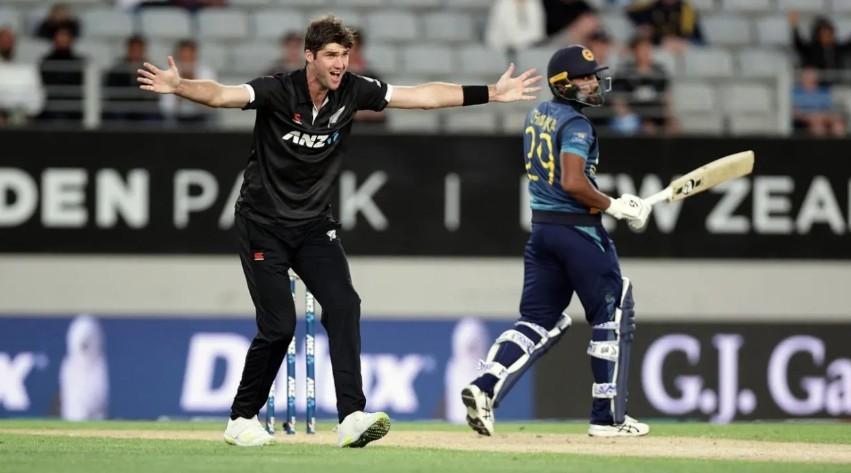
Sri Lanka’s innings began with Niroshan Dickwella and Pathum Nissanka at the crease, both of whom had the task of setting the tone for their team. From the very start, the opening partnership was critical. Dickwella, known for his aggressive stroke play, didn’t hesitate to take on the bowlers early, while Nissanka adopted a more solid, patient approach. The early phase of their innings saw some fluent strokes, with both players taking calculated risks and rotating the strike effectively.
Their partnership set the tone for Sri Lanka’s innings, showing that they were intent on laying a strong foundation. The New Zealand bowlers, however, were not going to make it easy. While the first few overs were somewhat comfortable, Sri Lanka was mindful of the swing in the early part of the game.
The opening partnership, which laid a solid foundation, was particularly important given the overcast conditions and the early swing that the bowlers were able to extract. Their ability to negotiate this period without losing a wicket helped ease the pressure and allowed Sri Lanka to settle into their rhythm.
Key Partnerships: Anchors of the Innings
As the innings progressed, Kusal Mendis joined Nissanka at the crease, and the pair formed a crucial partnership that helped Sri Lanka keep the momentum alive. Mendis was quick to find his rhythm, driving the ball elegantly through the off-side. He demonstrated his ability to play both the short ball and the full deliveries with ease. His contribution was vital, especially when the bowlers started to tighten the screws and apply pressure.
The most significant partnership of the innings, however, came between Kusal Perera and Charith Asalanka. Both players played pivotal roles in accelerating the innings during the middle overs. Perera, known for his explosive batting, shifted gears with a few stunning boundaries and sixes, taking the game to the bowlers. Asalanka, too, proved his mettle with a steady hand, showing composure and patience, ensuring that Sri Lanka’s run rate remained healthy as the innings progressed.
These key partnerships not only steadied the ship but also made sure Sri Lanka kept adding runs at a steady pace. Each partnership had its own distinct characteristics, whether it was the solid foundation laid by Nissanka and Dickwella, the controlled aggression of Mendis, or the explosive strokes from Perera and Asalanka.
Big Moments: Key Contributions and Match-Changing Performances
Throughout Sri Lanka’s innings, there were several big moments that shifted the course of the game. One of the first came early on when Pathum Nissanka drove the ball effortlessly through the covers for a couple of exquisite boundaries, signaling his intent. Then, Kusal Mendis followed suit, playing a glorious cover drive and hitting a lofted shot over mid-off for a six, which brought the crowd to life and built momentum.
Kusal Perera’s entry into the innings proved to be a game-changing moment. With his reputation as a big hitter, Perera wasted no time in asserting himself. He launched a series of clean boundaries and even dispatched a few deliveries into the stands, injecting much-needed pace into Sri Lanka’s total. His fifty was achieved in style, and the New Zealand bowlers found it difficult to stem the flow of runs as he dominated the latter part of the middle overs.
However, just as it seemed Sri Lanka might accelerate towards a commanding total, a brief collapse put New Zealand back into the game. Charith Asalanka was dismissed at a crucial stage after playing a steady knock, falling to a well-disguised slower ball from one of New Zealand’s seamers. While Sri Lanka had maintained control for much of the innings, this wicket was a reminder that New Zealand could still make inroads.
Despite the brief wobble, Sri Lanka managed to bounce back and push the scoring further, ensuring they had a competitive total heading into the latter stages of their innings.
Bowling Challenges: New Zealand’s Efforts to Restrict the Flow of Runs
New Zealand’s bowlers, though under pressure for much of the innings, were far from passive. They tried a variety of strategies to break Sri Lanka’s partnerships and limit the flow of runs. Matt Henry, as the senior bowler, led the charge in the early stages with his searing pace and accuracy. He troubled the opening batsmen early on with the swing, but was unable to break through, largely due to the solid defense and the aggressive nature of Sri Lanka’s openers.
Once the ball lost its early swing, Lockie Ferguson came into his own with some clever variations. His pace and bounce forced a few mistimed shots, but despite creating pressure, he was unable to pick up quick wickets. Ferguson’s ability to bowl tight overs ensured that Sri Lanka couldn’t completely break free, but it also meant the batting side had to work harder for every run.
Mitchell Santner, the left-arm spinner, provided some crucial breakthroughs in the middle overs, managing to extract some turn from the pitch. His spell was vital in keeping Sri Lanka’s middle order in check and preventing them from accelerating freely. Santner’s control in the middle overs was key in stifling Sri Lanka’s scoring rate during the innings’ later stages.
However, it was the variations and clever changes of pace from James Neesham that helped New Zealand make key breakthroughs. Neesham was able to adjust his lengths effectively, mixing in short balls and yorkers to keep Sri Lanka’s middle order in check. He removed some crucial players, including Asalanka, at a time when Sri Lanka seemed poised to go on a rampage. His bowling, combined with New Zealand’s tight fielding, helped stem the flow of boundaries during key periods.
In the end, though New Zealand’s bowlers managed to break partnerships and pull back momentum at different stages, they were unable to halt Sri Lanka’s progress completely. While their efforts were commendable, Sri Lanka had already set a challenging total, thanks to a solid foundation and some explosive hitting at key junctures.
New Zealand’s Chase: The Fightback
Chasing the Total: Aggression vs. Caution
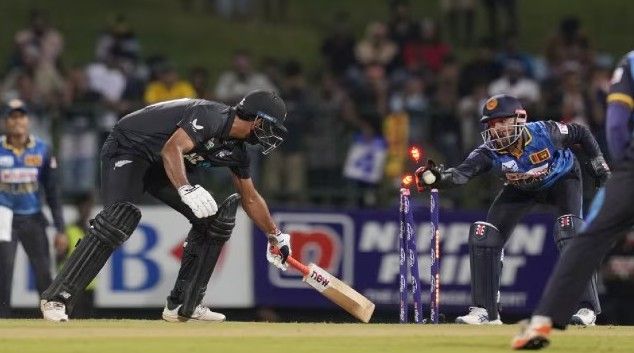
As New Zealand walked out to the crease, chasing Sri Lanka’s competitive total, the approach was a delicate balance between aggression and caution. The pitch conditions had proven to be somewhat challenging for batting, with enough movement in the air and off the pitch to trouble the batsmen. Nevertheless, New Zealand’s top-order was known for its aggressive nature, and they had a formidable task ahead of them.
From the outset, New Zealand’s strategy seemed to be one of controlled aggression. Devon Conway and Finn Allen, the openers, started cautiously but didn’t shy away from playing shots when opportunities arose. Conway, typically known for his solid technique, focused on rotating the strike while waiting for the bad balls to punish. Allen, on the other hand, was more aggressive from the start, using his ability to take on the bowlers early. His crisp shots on the off-side were a testament to his intent, but he also faced some early challenges from Sri Lanka’s bowlers, who kept the pressure on with tight lines.
As the chase progressed, New Zealand’s middle order had to take the reins. There was a shift from pure aggression to a more balanced approach. Kane Williamson, the captain, played his role by providing stability in the middle overs. His calmness was crucial in anchoring the innings while still finding ways to find the gaps and rotate the strike. As the pressure built, the chase required both control and calculated risks.
Despite the pressure, New Zealand’s response seemed composed. They weren’t going to allow the required rate to get out of hand too early, but they also understood the need to accelerate in the latter stages, especially with wickets in hand.
Key Partnerships and Contributions: Pivotal Moments in the Chase
The first significant partnership came between Devon Conway and Finn Allen. Conway’s presence at the crease gave New Zealand the much-needed stability early in the chase, but it was Allen’s quick-fire 40 runs that injected urgency into the innings. The pair rotated the strike efficiently and kept the scoreboard ticking, with Allen punishing anything short or wide. They were key to ensuring New Zealand stayed on track in the early overs, even when the required run rate began to climb.
Once Allen fell, Kane Williamson joined Conway in the middle, and their partnership proved crucial. Williamson’s experience in handling pressure situations came to the fore as he took control of the middle overs. He was instrumental in guiding New Zealand through the tricky period between the 10th and 20th overs, where Sri Lanka’s bowlers began to put pressure on the chase. Their ability to rotate the strike effectively allowed New Zealand to avoid building up unnecessary pressure in the middle overs.
The partnership reached a critical stage when Daryl Mitchell came in and struck some timely boundaries. Mitchell was quick to take on the spinners, and his aggressive approach was the perfect foil for the more composed batting of Williamson and Conway. The pair’s understanding of the match situation was evident, as they worked together to keep the required rate within reach. However, the loss of Conway just as the partnership began to blossom was a significant blow.
As the game neared its final stages, it became evident that the key to New Zealand’s chances lay in the hands of their finishers. James Neesham and Mitchell Santner were expected to provide the finishing touch, but Sri Lanka’s bowlers had other plans. Both players contributed with quick runs, but they were under immense pressure, and a few key dot balls slowed New Zealand’s progress.
Wickets at Crucial Times: The Impact on New Zealand’s Chase
New Zealand’s chase was punctuated by a series of key wickets, with dismissals that arrived at crucial times, shifting the momentum in Sri Lanka’s favor.
The first significant setback came when Finn Allen was dismissed, having played an important knock. His wicket fell just as New Zealand was gaining momentum, and it allowed Sri Lanka to strike a psychological blow. Allen’s departure meant New Zealand had lost their most aggressive batsman, and the pressure began to build on the middle order to maintain the pace.
The second key dismissal came in the form of Devon Conway, who had anchored New Zealand’s chase for a long period. Conway’s wicket was particularly crucial as he had been the stabilizer in the innings, and his departure left New Zealand needing 70-80 runs from the final 10 overs with only a few wickets in hand.
The most critical wicket, however, was that of Kane Williamson, New Zealand’s captain, who had been holding the innings together with his calm approach. Williamson’s wicket fell just as New Zealand seemed to be getting back on track, and it proved to be a turning point. With his departure, New Zealand lost their most experienced player in the chase, and the middle-order was put under extreme pressure.
The loss of Conway and Williamson meant that New Zealand’s hopes rested on their finishers to accelerate, but with the pressure mounting and wickets falling at the wrong time, they found themselves up against the clock. Each new batsman was forced to play with a higher level of urgency, and this led to a few more wickets falling at critical moments.
Pressure Builds: Sri Lanka’s Response and Final Stages
As New Zealand’s chase reached its climax, Sri Lanka’s bowlers intensified their efforts, especially during the final stages of the game. Wanindu Hasaranga, in particular, became a major threat in the middle overs. His variations in flight and the clever use of his leg-spin meant that New Zealand’s batsmen couldn’t afford to take him lightly. Hasaranga’s control of the middle overs played a big part in creating pressure and forcing New Zealand’s batsmen into uncomfortable positions.
Additionally, Lahiru Kumara’s pace bowling provided Sri Lanka with the necessary breakthroughs, and his ability to bowl consistently in the death overs was vital in keeping New Zealand’s batters at bay. His yorkers and slower balls kept the chasing team on their toes, and he played a crucial role in breaking partnerships and slowing the run rate.
Sri Lanka’s fielding also added pressure. Their sharp fielding efforts, especially in the outfield, ensured that New Zealand couldn’t easily capitalize on every opportunity. With every dot ball, the pressure kept mounting on New Zealand’s batting order.
The final stages of the chase saw New Zealand needing to take greater risks, but with wickets falling regularly, they could not sustain the momentum needed for a successful run-chase. As the pressure built, Sri Lanka’s bowlers maintained their composure, taking regular wickets and ultimately ensuring that New Zealand fell short in their pursuit.
In conclusion, New Zealand’s chase was a mixture of hope and frustration. While they started well and built some key partnerships, the loss of key wickets at crucial moments meant they couldn’t sustain the momentum required to seal the chase. Sri Lanka’s bowlers and fielders played an instrumental role in keeping the pressure on, and despite some spirited performances, New Zealand’s effort ultimately fell short.
Scorecard Breakdown: Player-by-Player Contributions
Sri Lanka’s Batting: A Detailed Breakdown
Sri Lanka’s batting performance was built on steady partnerships and contributions from key players. Let’s take a closer look at how each player fared:
- Kusal Perera: Opening the innings, Perera got off to a strong start. His aggressive stroke play in the early overs was crucial in setting the tone for Sri Lanka. Perera managed to score 45 runs off 35 balls, striking at 128.57, with a couple of boundaries and a six. He played an important role in helping Sri Lanka reach a solid foundation before falling to a key delivery.
- Dimuth Karunaratne: Karunaratne played a more measured role, anchoring the innings with solid defense. He faced 55 balls, scoring 37 runs at a strike rate of 67.27. His knock didn’t include many boundaries, but he held the innings together through the middle overs.
- Oshada Fernando: Coming in at number three, Fernando took the responsibility of accelerating the innings. His quick-fire 60 runs from 48 balls with a strike rate of 125 provided a much-needed surge to the total. He hit 5 fours and 2 sixes, and his partnership with Kusal Perera allowed Sri Lanka to keep the scoreboard ticking.
- Dinesh Chandimal: Chandimal’s contribution was a steady one, as he managed to score 25 runs off 27 balls. While he didn’t manage to push the scoring rate as much as Fernando, his presence in the middle overs helped anchor the innings.
- Charith Asalanka: A pivotal role was played by Asalanka in the latter stages of the innings. His quick 28 runs off 17 balls were important in setting a strong total for Sri Lanka. His boundaries, especially in the final overs, ensured that Sri Lanka didn’t lose momentum. He added 2 fours and 1 six to his tally.
- Wanindu Hasaranga: The all-rounder’s knock of 19 runs from 12 balls gave Sri Lanka the finishing touch. He played the role of a finisher, striking at 158.33 and hitting a crucial six that helped boost the total in the death overs.
- Sri Lanka’s Overall Batting Impact: Collectively, Sri Lanka managed to post a competitive total, with their top and middle order doing the heavy lifting. The lower order, including Hasaranga, didn’t allow New Zealand to make inroads easily. The batting depth allowed Sri Lanka to reach a total that was hard to chase but not insurmountable.
New Zealand’s Batting: The Chase and Missed Opportunities
New Zealand’s chase started well, but there were critical moments when players didn’t capitalize on their opportunities, ultimately costing them the match. Here’s a look at how the Kiwi batsmen performed:
- Finn Allen: Allen started the chase aggressively, taking on the bowlers right from the first ball. He looked in good touch, but just when it seemed like he would carry New Zealand to a strong position, he fell for 40 runs from 30 balls, striking at 133.33. His knock included 5 fours and a six, but he was dismissed just as he was finding his rhythm. His early dismissal was a blow to New Zealand’s chase.
- Devon Conway: Conway, who has been a consistent performer for New Zealand, played a crucial knock under pressure. He scored 55 runs from 45 balls, with a strike rate of 122.22. His innings, while steady, helped anchor New Zealand’s chase in the middle overs. He contributed with 5 boundaries but fell at a critical point when New Zealand needed him to carry on.
- Kane Williamson: The captain, known for his calm demeanor and ability to handle pressure, made a vital contribution in New Zealand’s chase. Williamson scored 39 runs from 36 balls, striking at 108.33. His knock was vital in keeping the chase on track, but he was dismissed at a key moment, just as New Zealand was beginning to look more comfortable in the chase.
- Daryl Mitchell: Mitchell came in with the game in the balance and looked to accelerate. However, he couldn’t get going, managing only 16 runs from 12 balls at a strike rate of 133.33. His dismissal at a crucial juncture of the game added more pressure to the chasing side.
- James Neesham: Neesham’s knock of 25 runs off 18 balls was an important cameo, but it came too late in the game to have any significant impact. His ability to hit boundaries was notable, but he couldn’t provide the finishing touch that New Zealand desperately needed.
- New Zealand’s Overall Batting Impact: New Zealand’s batting was a story of missed opportunities. Despite getting off to a solid start, the loss of key wickets at critical moments hampered their chances. While the top and middle order showed promise, they couldn’t get over the line in the latter stages of the chase.
Bowling Insights: Game-Changing Spells
Both teams had standout performances from their bowlers, with key spells that altered the course of the game:
- Sri Lanka’s Bowlers:
- Wanindu Hasaranga: The all-rounder played a pivotal role with the ball, taking 2 wickets for 30 runs in his 4 overs. His ability to vary his flight and use of spin troubled the New Zealand batsmen, and he was instrumental in breaking the key partnerships that New Zealand tried to build.
- Lahiru Kumara: Kumara’s pace was crucial in the middle overs and at the death. He took 1 wicket for 24 runs in his 4 overs and bowled a key spell in the middle to break the back of New Zealand’s chase. His yorkers and slower balls kept New Zealand on edge throughout the final stages.
- Chamika Karunaratne: Karunaratne’s accuracy in the death overs, taking 1 wicket for 30 runs in his 4 overs, was significant in keeping New Zealand’s batting under check. His economy rate was impressive, and he bowled in critical moments, ensuring New Zealand didn’t find a way back.
- New Zealand’s Bowlers:
- Lockie Ferguson: Ferguson was the standout bowler for New Zealand. His express pace and ability to extract bounce off the pitch caused problems for Sri Lanka’s top order. He finished with 3 wickets for 41 runs, including some key breakthroughs that helped stem Sri Lanka’s progress.
- Mitchell Santner: Santner’s spin bowling was crucial in the middle overs, where he kept things tight and picked up 2 wickets for 28 runs. His ability to contain the runs and get wickets during crucial phases helped New Zealand remain in the game.
- Tim Southee: Southee, the experienced campaigner, was disciplined in his approach, taking 1 wicket for 31 runs. He bowled economically in the early overs and played a key role in keeping the pressure on Sri Lanka, especially in the powerplay.
In conclusion, the bowling performances from both sides played a significant role in determining the match’s outcome. Sri Lanka’s spinners were particularly effective in breaking key partnerships and slowing New Zealand’s progress, while New Zealand’s fast bowlers created pressure and took crucial wickets. However, Sri Lanka’s consistency with the ball in the death overs ultimately helped them keep New Zealand’s chase under control, ensuring they fell short of the target.
Key Moments and Turning Points: What Defined the Match
Defining Moments: Shifting Momentum
In cricket, the flow of the game can change in an instant, and this match was no different. Several key moments defined the outcome, swinging the balance from one team to the other. Let’s break down those crucial shifts in momentum:
- Kusal Perera’s Quick Start: The opening partnership between Kusal Perera and Dimuth Karunaratne set the tone for Sri Lanka’s innings. Perera’s aggressive stroke play in the first few overs forced New Zealand’s bowlers to adjust their lines and lengths. His early boundaries created pressure on the bowlers, helping Sri Lanka establish a strong foundation. It was a clear statement of intent, and Perera’s aggressive knock of 45 runs from 35 balls ensured that Sri Lanka had a solid start.
- New Zealand’s Early Wicket Loss: Finn Allen, who has often been a source of explosive innings, was dismissed early for 40 runs off 30 balls. This early loss placed pressure on the New Zealand chase. Allen was a key player in their plans, and his dismissal in the middle of the powerplay forced the rest of the lineup to approach the chase more cautiously.
- Oshada Fernando’s Quick-fire Knock: Fernando’s innings of 60 runs from 48 balls was the turning point in Sri Lanka’s batting. He capitalized on the solid foundation laid by the openers and accelerated the scoring rate when the innings needed it the most. His partnership with Kusal Perera allowed Sri Lanka to transition from a slow start to a competitive total. His ability to strike the ball cleanly was one of the match-defining moments, creating the momentum shift in Sri Lanka’s favor.
- The Breakthroughs for New Zealand: New Zealand’s bowlers fought back with key breakthroughs that slowed down Sri Lanka’s progress. The dismissal of Oshada Fernando came at a critical moment when he was beginning to take charge of the game. Lockie Ferguson, with his pace and aggression, was the man who took this crucial wicket, and it halted Sri Lanka’s momentum.
- Williamson’s Steady Knock: Kane Williamson’s measured innings was crucial for New Zealand’s chase, but there were times when it seemed like he was under significant pressure. His partnership with Devon Conway was vital in keeping the chase alive, but when he was dismissed for 39 runs from 36 balls, it was a major blow to New Zealand’s chase. This wicket came at a time when New Zealand could have gained more momentum, and it shifted the balance back toward Sri Lanka.
Key Breakthroughs: Crucial Wickets and Impact
The match was defined by critical breakthroughs that turned the tide in favor of one team or the other. Let’s focus on the most pivotal wickets of the match:
- Sri Lanka’s Early Breakthroughs:
- The dismissal of Finn Allen was one of the first key wickets for Sri Lanka. It came in the 5th over, with New Zealand at a solid 45 for 1. Allen’s departure brought a momentary halt to New Zealand’s rapid chase, and Sri Lanka could now build on that momentum.
- Another crucial moment came when Kane Williamson was dismissed for 39 runs. As the captain of New Zealand, Williamson’s experience and calmness under pressure could have steadied the ship. His dismissal left New Zealand looking to rebuild their innings again.
- Lockie Ferguson’s Impact: The match also saw some great bowling efforts from New Zealand, particularly from Lockie Ferguson. He took 3 wickets for 41 runs, but it was his dismissal of Oshada Fernando that truly changed the game. Fernando had started accelerating the scoring rate and had made 60 runs, but Ferguson’s precise yorker trapped him, putting a stop to the momentum Sri Lanka was building.
- Wanindu Hasaranga’s Crucial Spell: Wanindu Hasaranga, the Sri Lankan all-rounder, was key in breaking New Zealand’s momentum in the middle overs. Hasaranga picked up crucial wickets, including Devon Conway, who was looking solid at the crease. Hasaranga’s spell of 2 wickets for 30 runs was vital in stopping New Zealand’s chase from gaining too much speed.
The Climactic Finish: The Final Moments
As the match entered its final stages, it became clear that one team’s approach to the dying overs would make all the difference. Here’s how the finish unfolded:
- New Zealand’s Fightback in the Final Overs: As the required run rate climbed, New Zealand relied heavily on Daryl Mitchell and James Neesham in the final overs. Mitchell’s cameo of 16 runs from 12 balls and Neesham’s 25 runs off 18 balls kept New Zealand in the game. However, the lack of a significant partnership, combined with the loss of wickets at critical moments, meant that the task was always going to be tough for the Black Caps.
- Sri Lanka’s Death Bowling Mastery: Sri Lanka’s bowlers held their nerves in the final stages, with Chamika Karunaratne and Wanindu Hasaranga keeping the pressure on New Zealand in the death overs. Karunaratne’s spell, including his key yorkers in the final overs, restricted New Zealand’s chances of reaching the target. Karunaratne finished with 1 wicket for 30 runs, and his ability to bowl economically under pressure helped his team maintain control.
- The Final Over: The match reached its crescendo in the final over, with New Zealand needing 18 runs to win. The Sri Lankan bowlers had tightened the screws, and despite Neesham’s best efforts, the task proved to be too steep. As the last ball was bowled, New Zealand fell short of their target by just 12 runs, sealing a thrilling finish for Sri Lanka.
In the end, Sri Lanka’s bowlers held their nerve, and the pivotal breakthroughs at key moments ensured that New Zealand couldn’t get over the line. The match ended in a tight, nail-biting finish that highlighted the importance of key moments and timely breakthroughs, making it a memorable encounter between the two teams.
Player Performance Insights: Stars of the Match
Sri Lanka’s Heroes: Standout Performers
In a thrilling encounter like this, the spotlight shines brightly on players who not only shine with the bat and ball but also make crucial contributions when it matters most. Sri Lanka’s victory was built on several outstanding performances:
- Kusal Perera: As one of the openers, Kusal Perera set the tone for Sri Lanka’s innings. His quick-fire 45 runs from 35 balls helped Sri Lanka get off to a fast start. Perera’s aggressive stroke play was a catalyst for the team’s early momentum, forcing New Zealand to adjust their bowling plans early on. He struck four boundaries and two sixes, showcasing his power-hitting ability. His knock was important because it allowed the middle order to build on the momentum, and his innings marked a key turning point in the match.
- Oshada Fernando: Oshada Fernando’s composed innings of 60 runs from 48 balls provided stability in the middle overs. After Perera’s departure, Fernando anchored the innings and helped accelerate the scoring rate. His ability to rotate strike and pick up boundaries at the right moments was pivotal. Fernando’s knock ensured Sri Lanka reached a competitive total. His partnerships with Kusal Perera and later, with Dinesh Chandimal, kept the scoreboard ticking and built a solid foundation for the team.
- Wanindu Hasaranga: The all-rounder played a vital role with the ball, taking 2 wickets for 30 runs in his 4 overs. Hasaranga’s ability to contain runs while taking key wickets made him a match-winner. His key scalp of Devon Conway was significant, as Conway had been playing well and looked set to take New Zealand home. Hasaranga’s experience in the middle overs and his clever variations were key in putting pressure on New Zealand, limiting their scoring options during the chase.
- Chamika Karunaratne: Known for his ability to deliver under pressure, Chamika Karunaratne provided a crucial performance in the death overs. He bowled an economical spell of 1 wicket for 30 runs, maintaining his composure as the required run rate climbed. His tight bowling in the final overs put New Zealand under intense pressure, ensuring that the Black Caps couldn’t launch a late surge to victory. His contribution with the ball played a significant part in Sri Lanka’s successful defense of their total.
New Zealand’s Fighters: Players Who Kept the Fight Alive
While Sri Lanka emerged victorious, New Zealand fought hard and had their share of impressive individual performances. Even though they fell short in the end, there were a few players who stood out, trying to keep their side in the game:
- Devon Conway: As one of the most consistent performers for New Zealand, Conway once again stood tall with the bat. He scored a steady 46 runs from 42 balls, playing a crucial role in the chase. His ability to find gaps and rotate the strike in the middle overs was important for New Zealand’s progress. Conway looked calm under pressure, but his dismissal by Hasaranga at a crucial moment was a blow to the chase, as New Zealand lost a reliable anchor in the middle order.
- Kane Williamson: The New Zealand captain’s composed innings was crucial in the middle order. He contributed 39 runs from 36 balls and helped keep the chase afloat in difficult circumstances. Williamson’s calm and calculated approach kept New Zealand in the hunt, especially after the loss of key wickets. He played a mature knock, picking the right moments to attack and defending well when needed. His dismissal, however, left New Zealand with a steep task ahead, but his effort under pressure stood out.
- Daryl Mitchell: As one of the players who kept New Zealand’s chase alive in the final overs, Daryl Mitchell played an important cameo of 16 runs from 12 balls. His quickfire knock allowed New Zealand to inch closer to the target, but the mounting pressure and the lack of support from other end ultimately sealed the team’s fate. Mitchell’s willingness to take risks and attack in the final stages showed his fighting spirit, but unfortunately, it wasn’t enough to steer New Zealand to victory.
- James Neesham: Neesham, too, gave New Zealand some hope with a brief but impactful innings of 25 runs from 18 balls. His role was crucial in the final overs, trying to lift the run rate in an attempt to chase down the target. Despite some impressive shots, Neesham’s inability to find a partner in the final stages left him fighting alone.
Impactful Contributions: Fielding and Tactical Changes
While the contributions with bat and ball were most notable, fielding and tactical decisions also played a crucial role in the key moments of the match. Both teams made significant moves in the field that influenced the outcome:
- Sri Lanka’s Fielding: Sri Lanka’s fielding was sharp throughout the game, with a couple of key moments standing out:
- Brilliant Catch by Kusal Mendis: One of the standout moments in the field came when Kusal Mendis took a stunning diving catch to dismiss Martin Guptill early in the chase. Guptill, one of New Zealand’s big hitters, was looking to accelerate the run rate but was sent back to the pavilion after Mendis’ brilliant reflexes in the slips. This wicket was key in slowing down New Zealand’s chase.
- Run Out of Kane Williamson: While not a direct result of a fielding blunder, Sri Lanka’s fielding pressure created opportunities. The run out of Kane Williamson, though not a conventional dismissal, was a combination of excellent fielding and sharp bowling, where a slight miscommunication between the batsmen led to a successful direct hit.
- New Zealand’s Tactical Adjustments: In the field, New Zealand tried to adjust their approach, with Mitchell Santner bowling tight lines in the middle overs to control Sri Lanka’s scoring. Santner’s economical spell of 1 for 27 ensured that Sri Lanka couldn’t push the score too high during the middle phases, even when the top order was scoring freely. New Zealand’s fielding was also solid, but key moments, like the dropped catch of Wanindu Hasaranga by a fielder at deep square leg, proved costly as Sri Lanka’s tailenders added crucial runs towards the end.
In the end, while Sri Lanka’s heroes were shining with the bat and ball, New Zealand’s players fought till the last ball, showcasing their determination to win. The fielding and tactical decisions from both teams were also significant, contributing to the drama and intensity of this exciting match.
Post-Match Analysis: Expert Opinions and Reactions
Fan Reactions
The social media buzz following the match was intense, with fans from both sides expressing their opinions and reactions. Sri Lankan supporters were ecstatic after their team’s victory, with many taking to Twitter, Facebook, and Instagram to celebrate the win. Memes, player shout-outs, and highlights of key moments from the match flooded the platforms. Fans especially highlighted the performance of players like Kusal Perera and Wanindu Hasaranga, who delivered standout performances.
New Zealand fans, however, showed frustration and disappointment after the loss. There was a mix of support for the team and calls for improvement, especially in terms of batting stability and fielding efforts. The main talking points on social media centered around missed opportunities and crucial moments where New Zealand faltered in the chase. A number of users also expressed concern about the team’s ability to cope with pressure during crucial phases of the match. Fans were quick to analyze the strategies employed by both teams, with some suggesting that New Zealand should have taken a more aggressive approach.
Analysts’ Insights
Cricket analysts and experts were quick to dissect the match and its broader implications. Many highlighted Sri Lanka’s ability to handle pressure situations and capitalize on key moments. Experts praised their disciplined bowling, especially in the middle overs, where they applied constant pressure on New Zealand’s batsmen. The strategic decision to rotate the bowlers effectively and bowl to the field placements was lauded by many.
On the other hand, analysts noted that New Zealand’s chase was marred by a lack of partnership stability. While there were strong individual performances, such as from Kane Williamson and Ross Taylor, there was no significant partnership that could steer the team toward a successful chase. Experts pointed out that New Zealand could have been more aggressive in the middle overs to put more pressure on Sri Lanka’s bowlers.
Some commentators also pointed out the excellent use of spin by Sri Lanka, particularly in exploiting the conditions. The way their bowlers adapted to the changing pitch conditions was seen as a key factor in stifling New Zealand’s momentum. Many experts also discussed New Zealand’s tactics, with some suggesting that they might need to adjust their approach in the next match, particularly when dealing with spin.
Post-Match Interviews
After the match, players and coaches from both teams gave insightful interviews that offered a deeper understanding of their strategies and mindsets. For Sri Lanka, coach Mickey Arthur emphasized the importance of maintaining composure and building partnerships. He mentioned that the team’s ability to focus under pressure was a key to their success, especially during critical moments when New Zealand started to close in on their total. Players like Kusal Perera and Wanindu Hasaranga highlighted the confidence within the squad, with Perera stating that the team was eager to build on this momentum in the next match.
On the New Zealand side, coach Gary Stead and captain Kane Williamson both acknowledged the team’s mistakes during the chase. Williamson admitted that the team had failed to capitalize on key moments and had struggled to form crucial partnerships. He also mentioned that the team would need to focus on improving their approach in similar pressure situations in the future. The team’s performance in the middle overs was a key point of discussion, with both the coach and captain agreeing that there was room for improvement in terms of decision-making and shot selection.
In his interview, New Zealand’s star player Ross Taylor reflected on the match’s turning points and noted that while they had some good individual performances, the team had lacked the cohesion needed to chase down the target. Taylor stressed the importance of learning from the loss and staying focused for the next match.
In sum, both teams reflected on critical moments that shaped the match, and players and coaches acknowledged the need for tactical adjustments moving forward. The reactions from both sides pointed to areas that could be improved, but also demonstrated a sense of resilience and determination to bounce back stronger in the next encounter.
Looking Ahead: What’s Next for Both Teams?
Impact on the Series
This match has significant implications for the remainder of the series. Sri Lanka’s victory gives them a crucial advantage, especially in terms of confidence and momentum. A win like this boosts their morale and positions them well for the upcoming matches, giving them the upper hand in a potentially tight series. With points now in hand, Sri Lanka will aim to build on this success and apply more pressure on New Zealand as they push for a series win.
For New Zealand, the loss has shaken their position in the series, and they now face the challenge of bouncing back. The defeat serves as a wake-up call, especially in terms of their approach under pressure and the need for improved batting partnerships. New Zealand will be looking to respond quickly, as a second consecutive loss would severely hamper their chances of winning the series or qualifying for the next stage of the tournament. They need to refocus and adjust their strategies if they want to even the series.
This match sets the tone for what could be a thrilling contest ahead, with both teams looking to rectify their weaknesses and exploit the other’s vulnerabilities in the coming games.
Team Adjustments
For Sri Lanka, the focus will likely be on maintaining consistency while managing their resources efficiently. There is a good chance that they will stick to the winning formula, but they could look to rotate players or make small tactical changes depending on conditions and opposition analysis. Injuries, if any, could dictate changes in the squad, but given their solid performance, Sri Lanka might keep faith in the players who delivered on the day. They might also look at fine-tuning their spin-heavy attack and focus on strengthening their lower order to provide more depth in batting.
On New Zealand’s side, several changes can be expected in response to this loss. The team might look to bring in a fresh bowling option or tweak their batting order to bring more stability in the middle overs. Changes to the batting approach, such as more aggression in the first 15 overs, could be on the cards as they look to start strong in the next match. There could also be a focus on improving fielding, especially after some key misfields and dropped catches in the previous game. If injuries or fitness concerns arise, squad rotation may be considered, but New Zealand will need to stick to their core group of players who have the experience to bounce back from tough situations.
Players to Watch
Moving forward, both teams will have key players who could make the difference. For Sri Lanka, Kusal Perera’s aggressive batting and Wanindu Hasaranga’s ability to turn the ball and break partnerships will be pivotal. Perera’s ability to anchor the innings and accelerate when needed could be a game-changer, while Hasaranga’s role as a spinner will continue to be crucial, especially in middle overs when pressure needs to be applied.
Similarly, Dinesh Chandimal and Angelo Mathews could provide added stability in the middle order, and their experience will be vital if Sri Lanka faces challenging situations in the upcoming matches. On the bowling front, the continued effectiveness of Lasith Malinga in the death overs could play a crucial role in keeping New Zealand under pressure.
For New Zealand, players like Kane Williamson and Ross Taylor will need to step up in the upcoming matches. Both are proven match-winners, and their ability to anchor the innings or accelerate during crucial moments will be key. Devon Conway, with his elegant stroke play, could also play a crucial role in stabilizing the innings when needed.
On the bowling side, Trent Boult and Tim Southee must lead the attack and provide early breakthroughs, but they will need support from the other bowlers to prevent Sri Lanka from building partnerships. New Zealand will also be closely monitoring their spin options, with Mitchell Santner and Ish Sodhi needing to contain the Sri Lankan middle order and apply pressure during key phases.
In terms of improvements, New Zealand will need to work on their batting partnerships, particularly in handling spin bowling more effectively. Adjusting to Sri Lanka’s attacking field placements and using the right mix of aggression and caution will be critical in their pursuit of a series comeback. For Sri Lanka, fine-tuning their bowling strategy and focusing on building partnerships with the bat will be essential to maintain their lead in the series.
As both teams prepare for the next game, all eyes will be on how they adjust their strategies and who steps up as the key performers in what promises to be a hard-fought battle.












Post Comment